How a No-Claims Bonus Works in Ireland
A no-claims bonus is the discount you build up for each year your policy runs without a claim. It...
read more

There’s no single insurer that offers the cheapest car insurance in Ireland. The most competitive premium depends on your personal circumstances, your vehicle, and other factors, meaning the cheapest option can vary from driver to driver and from year to year.
That's why GMIB.ie compares quotes from 14 insurers in one quick search. Simply enter your registration number and details into the form below, and you'll receive a range of available quotes in under 60 seconds.
If an instant quote isn't available, our team will review your information and contact you with the options available, helping you find the cover that best suits your needs and budget.


Renewal. Car insurance premiums can change from year to year, so it's important not to assume your renewal quote is the most competitive option available.
Your insurer must issue your renewal notice at least 20 working days before your policy is due to expire. While insurers cannot increase your premium simply because you remain with them, their renewal offer may not be the best value on the market.
That's why it's worth comparing quotes before you renew each year. Taking a few minutes to shop around could help you find better value cover that still meets your needs.
A no-claims bonus rewards claim-free driving by reducing the cost of your car insurance. For every year you hold a policy in your own name without making a claim, you can build up a discount on your premium. Most insurers offer their maximum no-claims discount after five or six years of claim-free driving.
Your no-claims bonus belongs to the policyholder and can usually be transferred between insurers and vehicles. However, making a claim may reduce or remove your bonus, even if the accident was not your fault.
To help protect your discount, many insurers offer No-Claims Bonus Protection as an optional extra. Some also offer Step-Back Protection, which reduces the impact of a claim by limiting how much of your bonus you lose.
The excess. The excess is the first part of any claim you pay yourself. A higher excess usually means a lower premium. Choose one you could pay on the day of a claim, not the highest on offer.
The level of cover. The type of cover you select plays an important role in determining the cost of your car insurance. In general, Third Party cover is the lowest-priced option, while Comprehensive cover typically offers the highest level of protection and may come at a higher premium.
When deciding which cover is right for you, consider the value of your vehicle and whether you could afford to repair or replace it following an accident where you were at fault. For some drivers, the additional protection offered by comprehensive cover provides valuable peace of mind. For others, a more basic level of cover may be sufficient.
If you're looking for a balance between the two, Third Party, Fire and Theft cover offers protection against damage caused to others, while also covering your vehicle against fire and theft.
Choosing the right level of cover is about finding the balance between cost, protection, and your individual circumstances.
The car. Its value, age and engine size all count. A newer car costs more to insure because it costs more to replace, and a bigger engine costs more because insurers treat it as a higher accident risk.
Your record and experience. Penalty points and convictions raise premiums, and how long you have held a full licence matters. Years as a named driver on someone else’s policy count as experience you can declare. Never declare a more experienced person as the main driver of a car you mainly drive: that is fronting, and it is illegal.
The extras. Windscreen cover, breakdown assistance, a courtesy car and bonus protection each add to the premium. Keep the ones you would use and drop the ones you would not.
Compare like with like: the same level of cover, the same excess, the same extras and the same drivers on every quote. A lower price with a higher excess or fewer extras is a different policy, not a cheaper one. Check what each policy excludes, how much the excess is per claim, and whether driving other cars, windscreen repair and a courtesy car are included. The Competition and Consumer Protection Commission (CCPC) publishes a car insurance shopping-around checklist that lists the questions to ask.
Young or first-time driver? The price is driven mostly by experience, so start with our young drivers and first-time drivers pages, and see whether a telematics policy, which prices you on how you drive, suits you. If you have points, read how penalty points affect car insurance before you quote.
To talk it through instead, call 0818 92 92 42, Monday to Friday, 9am to 5.30pm.
Sources: Citizens Information – motor insurance; Competition and Consumer Protection Commission (CCPC) – car insurance. Last reviewed September 2026.
No single insurer is always the cheapest. The best price depends on your individual circumstances, from your age and driving experience to the type of car you drive. That's why comparing multiple insurers is so important. GMIB.ie checks quotes from 14 insurers in one search, helping you find a competitive price tailored to you.
Start comparing before your renewal date approaches. Check your current cover, excess and optional extras, then compare like-for-like quotes from multiple insurers. Make sure you include your full no-claims history and any named-driver experience. Setting your cover level, excess and extras before comparing helps ensure you're finding the best value, not just the lowest price.
There’s no standard price for car insurance. Insurers consider factors such as your age, driving experience, claims history, licence type, location, vehicle and level of cover, and each insurer weighs them differently. The only way to know what you’ll pay is to get a quote based on your own details. With GMIB.ie, we can compare quotes from 14 insurers in under 60 seconds.
Generally, yes. Third party cover is usually the cheapest, while comprehensive cover tends to cost more. However, comprehensive cover also protects your own vehicle if you're at fault in an accident. When choosing cover, balance any premium savings against the potential cost of repairing or replacing your car yourself.
Yes, you can get car insurance without a no-claims bonus. While premiums are usually higher, everyone starts without one. If you've been a named driver on someone else's policy, be sure to include that experience when getting a quote, as some insurers may take it into account and offer discounts for first-time policyholders.
Generally, yes. A higher excess can reduce your premium, but it also means you'll pay more towards any claim. If the cost of repairs is less than your excess, you won't be able to claim at all. Always compare the excess amounts on quotes, as they can vary significantly and affect the true value of the policy.
Age is one of many factors insurers consider when calculating your premium, alongside your driving history, vehicle and level of cover. There's no need to look for a specific over-50s policy. Simply enter your details, and GMIB.ie will compare quotes from 14 insurers to help you find a competitive price based on your circumstances.
Telematics, or black box, insurance uses driving data to help insurers assess how you drive. For careful drivers, this can often lead to lower premiums. Visit our telematics car insurance page to learn more about how it works and whether it's right for you.
Yes, a claim can affect your no-claims bonus, even if the accident wasn't your fault. Some insurers may restore it if they recover their costs. Optional extras such as no-claims bonus protection or step-back protection can help preserve your discount after a claim, but they come at an additional cost. Always check the policy details to understand exactly what protection is included.
A no-claims bonus is the discount you build up for each year your policy runs without a claim. It...
read more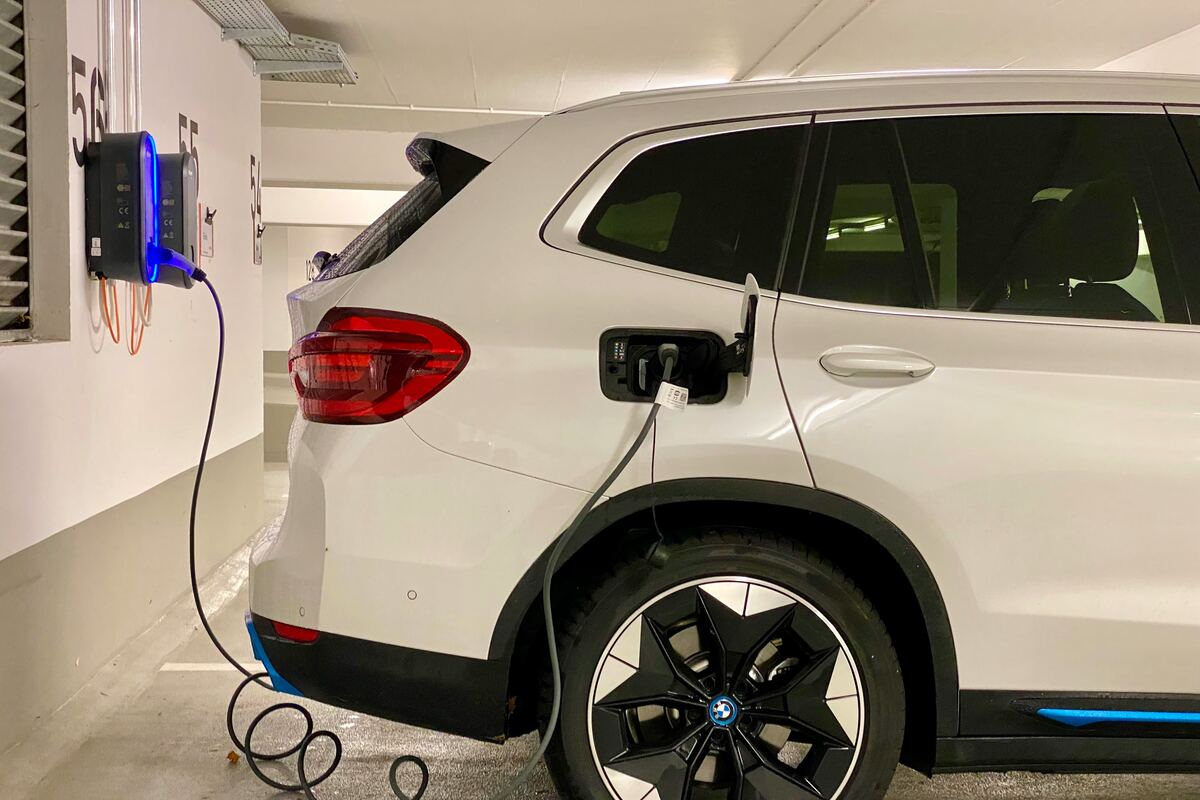
Insuring an electric car in Ireland works the same way as insuring any other car: the same cover...
read more
If you are a student insuring a car in your own name, GMIB.ie runs a student and young driver off...
read more