Electric Car Insurance in Ireland: What Changes When You Go Electric
Insuring an electric car in Ireland works the same way as insuring any other car: the same cover...
read more
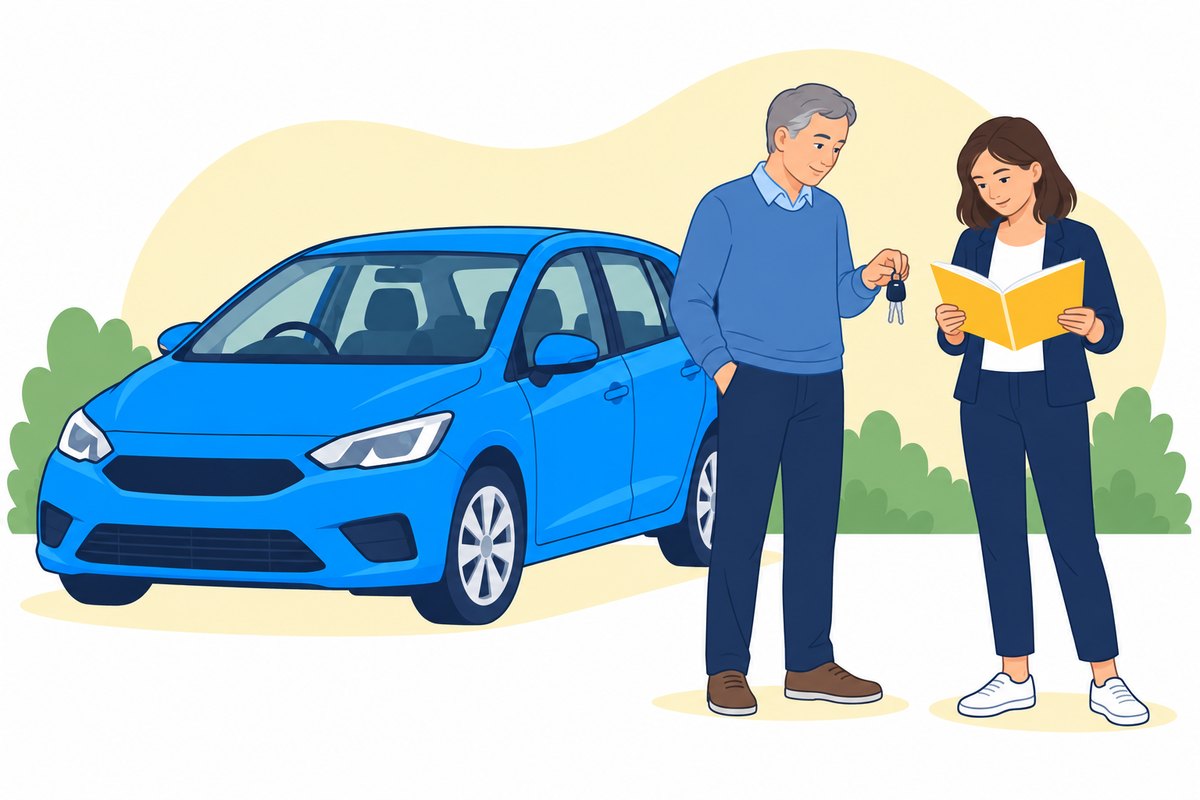
The short answer is that you are only insured to drive someone else’s car if cover applies to you, driving that particular car. Their permission is not insurance. Three different arrangements can provide that cover, they work in different ways, and which one applies changes what happens if something goes wrong.
People use these terms interchangeably. They are not the same thing.
| Driving Other Cars extension | Open driving | Named driver | |
|---|---|---|---|
| Whose policy provides the cover | Your own policy – it travels with you | The policy covering the borrowed car | The policy covering the borrowed car |
| Who qualifies | Usually the policyholder only, not named drivers on your policy. Conditions apply to the driver and to which cars are included | Drivers who meet that insurer’s conditions, driving with permission | The specific people named on that policy, declared and accepted |
| Damage to the borrowed car | Only where the extension provides comprehensive cover. Some provide third-party cover only | Whatever that policy provides | Whatever that policy provides |
| Which policy a claim could affect | Yours | The one covering the borrowed car | The one covering the borrowed car |
That last row matters more than people expect. If you borrow a car under open driving or as a named driver, it is the policy covering that car which responds, and the renewal on that policy which may be affected. Whether a no-claims bonus is reduced depends on the policy, the circumstances of the claim and whether bonus protection was bought. The CCPC notes that a bonus can be reduced on a step-back scale rather than lost outright, and that it may be restored if the insurer recovers its costs from another party.
Whichever arrangement applies, both the driver and the policyholder should follow their own insurer’s reporting requirements after an incident. Do not assume that only the person whose policy pays needs to report it.
This is worth separating out, because the answer depends entirely on which arrangement applies.
Under your own Driving Other Cars extension. A Driving Other Cars extension may provide third-party cover only, which does not cover damage to the car you borrow. Some policies provide comprehensive Driving Other Cars cover, subject to conditions. Having comprehensive insurance on your own car does not, by itself, confirm that the borrowed car is covered for damage – the extension is a separate benefit with its own terms.
For example, if you reverse a borrowed car into someone else’s wall, third-party-only cover may cover your liability for damage to the wall, subject to the policy terms. It does not cover repairs to the borrowed car.
Under open driving, or as a named driver. The cover is whatever the policy on that car provides. If it is comprehensive, that generally extends to you; if it is third party only, there is nothing there to repair the car. The CCPC describes a named driver as someone added to a policy who is then covered under it.
Borrowing a parent’s car. Explain to the insurer who will drive the car and how it will be used. Ask whether the existing cover allows your use or whether you need to be added to the policy. If you will be the main driver, make that clear – being listed as an additional named driver is not a substitute for correctly identifying the main driver.
Driving a partner’s car. Do not assume a Driving Other Cars extension covers it. Depending on the policy, exclusions may apply to cars owned by a spouse or partner, so this is a condition worth checking before you drive rather than after.
Borrowing a friend’s car for one journey. Check whether you hold the extension and whether that car’s policy includes open driving. Either can work. Neither is automatic, and your friend’s permission is not itself cover.
If the wording is not clear, ask before you drive rather than after. Call us on 0818 92 92 42, Monday to Friday, 9am to 5.30pm.
If you need cover of your own, or you are not sure the arrangement you are relying on actually fits how the car is used, talk to us. We compare 14 different insurers to help you find cover that suits you. Compare car insurance quotes, or see our guide to insurance for first-time drivers if you are building your own record.
Sources: CCPC – car insurance; Citizens Information – motor insurance. Insurer policy documentation from Aviva and AXA was used as background on how driving-other-cars and open-driving benefits are structured and what conditions they carry. Cover always depends on the terms of the individual policy. Last reviewed September 2026.

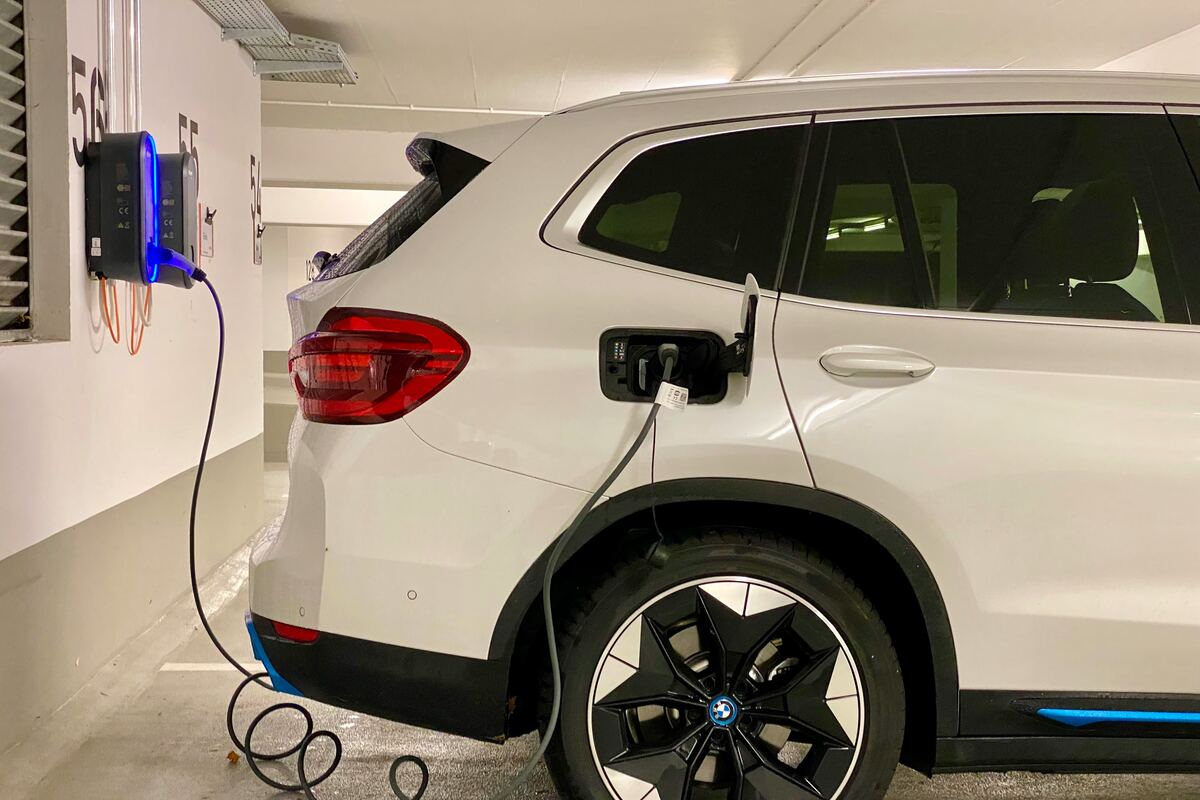
Insuring an electric car in Ireland works the same way as insuring any other car: the same cover...
read more
If you are a student insuring a car in your own name, GMIB.ie runs a student and young driver off...
read more
A no-claims bonus is the discount you build up for each year your policy runs without a claim. It...
read more